
Buy Amoxicillin Online In Australia – What You Need To Know. Visit Our Pharmacy ↓
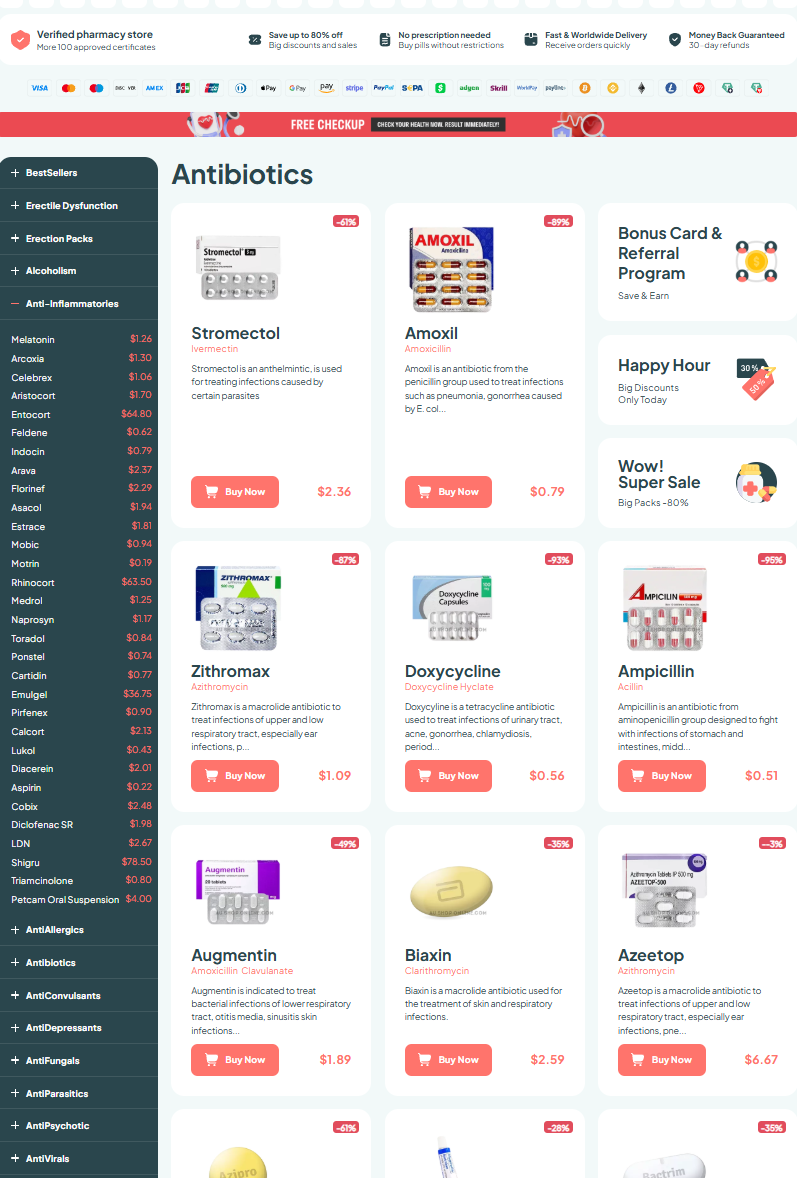
Amoxicillin: The Antibiotic Australian Adults Trust – A Doctor’s Honest Review
Attention: You wake up with a rattling cough, a fever that leaves you drenched in sweat, and a throat so sore you can barely swallow. Or perhaps it’s your ageing parent, miserable with a chest infection that just won’t shift. As a GP working in suburban Australia, I see this every single day. And when a bacterial infection is the culprit, amoxicillin is very often the medicine I reach for. It’s been a cornerstone of treatment for over 50 years – but I know you still have questions. Let me give you the straight facts, from a doctor’s perspective, so you can make an informed choice and get back to your life.
What Is Amoxicillin and Why Do We Use It So Much?
Interest: Amoxicillin belongs to the penicillin family of antibiotics. It kills bacteria by destroying their cell walls, and it’s effective against a broad range of common bacterial infections that affect the airways, ears, sinuses, bladder, skin, and even the teeth. In Australia, it’s listed on the Pharmaceutical Benefits Scheme (PBS), which means if you have a Medicare card, you’ll pay only a small co-payment – often less than the price of a flat white. It comes as capsules, tablets, chewable tablets, and a liquid suspension for those who struggle with pills. I’ve prescribed it for everything from severe sinusitis to dental abscesses, and its long track record gives both me and my patients immense confidence.
| Amoxicillin – Quick Reference for Australians Over 30 | |
|---|---|
| Drug class | Penicillin antibiotic (beta‑lactam) |
| Common adult dose | 250 mg–500 mg three times daily, or 875 mg twice daily; always finish the full course |
| PBS status | Subsidised for many approved conditions – ask your GP |
| Pregnancy category | Category A – safe at all stages of pregnancy |
| Availability | Prescription only (Schedule 4); not sold over the counter |
| Common brands | Amoxil, Alphamox, Cilamox, and various generic versions |
Desire: As someone over 30, you’re probably juggling work, family, and the wellbeing of older relatives. The last thing you need is an infection that drags on for weeks. Below I tackle the questions I hear every day in my clinic – the ones that keep you up at night. By the end, you’ll see why amoxicillin remains one of the most trusted antibiotics in the country.
Should Amoxicillin Be Taken on an Empty Stomach?
This is one of the most common queries – and a fair one, because nobody wants an upset gut on top of an infection. The simple answer: amoxicillin can be taken with or without food. However, I always recommend taking it with a meal or a light snack. Why? Because a little food in the stomach significantly reduces the chance of nausea or mild stomach discomfort, which some people experience. It won’t make the antibiotic less effective. If you forget and take it on an empty stomach, don’t panic – it’s still perfectly fine. But if you’re prone to queasiness, a couple of crackers or a piece of toast will make the course much more comfortable.
How to Manage Diarrhoea Caused by Amoxicillin
About 1 in 10 people will notice loose stools while taking amoxicillin. This happens because the antibiotic can disturb the healthy bacteria in your gut. For most, it’s mild and clears up after the course finishes. To manage it: take each dose with food, stay well hydrated with water or oral rehydration solutions, and consider taking a probiotic – either a good quality supplement or natural sources like yoghurt, kefir, or sauerkraut. Space the probiotic at least two hours away from the antibiotic so they don’t cancel each other out. If you develop severe, watery diarrhoea, tummy cramps, blood or mucus in your stool, or a fever, contact your doctor immediately; rarely, antibiotics can trigger a more serious bowel condition. But please don’t suffer in silence – we can often switch you to something else or add supportive treatment to keep you safe and comfortable.
Is Amoxicillin Safe for Elderly Patients?
One of the biggest pain points for families is worrying about Mum or Dad’s health. The good news is that amoxicillin is generally very safe for older adults. In fact, it’s one of the antibiotics I feel most comfortable prescribing to patients in their 70s, 80s, and beyond. The only vital check is kidney function – because amoxicillin is cleared by the kidneys, the dose may need to be lowered if renal function is reduced. Before I write a script for an elderly patient, I’ll order a simple blood test (eGFR) to ensure the dose is spot on. This makes the treatment both effective and gentle. So if your parent has a chest infection, don’t delay – a careful course of amoxicillin can prevent a trip to hospital.
Can I Take Amoxicillin While Pregnant?
For women over 30, family planning or an unexpected pregnancy can make medicine decisions terrifying. The Australian categorisation puts amoxicillin in Category A – the safest possible category. It has been used by millions of pregnant women across the world for decades, with no proven harm to the unborn baby. I’ve prescribed it many times for urinary tract infections, chest infections, and even dental emergencies during pregnancy. Of course, you should always tell your doctor if you are pregnant or breastfeeding, but please be reassured: when you genuinely need an antibiotic, amoxicillin is one of the safest choices available.
Can I Take Amoxicillin If I Have Mononucleosis (Glandular Fever)?
Absolutely not – and this is a critical point. Mononucleosis (often called mono or glandular fever) is a viral illness, so antibiotics won’t cure it. Worse, amoxicillin almost always causes a widespread, measles-like rash in people with mono. This rash is not an allergy, but it is frightening and can be wrongly labelled as a penicillin allergy for life. If your doctor suspects glandular fever, they will never prescribe amoxicillin. If you’ve ever been told you’re allergic after a rash while sick, talk to your GP – it may have been the virus, not the drug.
Can Amoxicillin Cause Blood Disorders?
This is a rare but legitimate worry that I hear from patients who’ve done their research online. In very rare cases, amoxicillin (like many medicines) can affect the bone marrow, leading to conditions such as a drop in white cells (agranulocytosis), platelets (thrombocytopenia), or red cells (haemolytic anaemia). The incidence is extremely low – far less than 1 in 10,000. Nevertheless, I always tell my patients: if you notice unexplained bruising, bleeding gums, a very sore throat, or severe tiredness while taking the medication, stop and see a doctor straight away. These warnings are not meant to scare you; they’re a safety net. For the vast majority of people, amoxicillin courses pass without any blood-related issues.
Can I Get Amoxicillin from a Pharmacist Without a Prescription in Australia?
No. In Australia, amoxicillin is a Schedule 4 prescription‑only medicine. A pharmacist cannot legally give it to you without a valid script. This might feel like an obstacle when you’re unwell and just want relief, but it’s actually a safeguard. Antibiotic resistance is a global crisis, and a doctor needs to assess whether your infection is bacterial, whether amoxicillin is the right drug, and what dose is appropriate for your weight, kidney function, and condition. The good news? A GP consultation is usually bulk‑billed or only costs a small gap, and once you have the script, you can pick up the medicine from any community pharmacy – often within minutes.
What Documentation Do I Need to Carry Amoxicillin Overseas?
Australians love to travel, and carrying medication overseas can be a real source of anxiety. The rules vary by country, but a solid approach is this: always carry amoxicillin in its original packaging with the pharmacy label showing your name and the prescription details. Ask your GP for a letter stating that the medication is prescribed to you for a specific medical condition, and list the generic name (amoxicillin) as well as the brand. Keep this letter with your passport. If you’re travelling to a country with strict narcotic/antibiotic laws (some Middle Eastern nations, for example), check with the relevant embassy. In most popular destinations, a doctor’s letter and the original box are more than enough. This small step will save you from unnecessary customs hold‑ups and give you peace of mind.
The Bottom Line – Why Amoxicillin Deserves Your Trust
Pain points like missing work, watching a child suffer with an ear infection, or seeing an elderly parent struggle to breathe are real. Amoxicillin isn’t a magic bullet for every illness – it won’t touch a common cold or flu – but for the right bacterial infection, it works quickly, safely, and affordably. The side effects are manageable with the simple strategies I’ve outlined, and the extensive safety data means you can feel confident whether you’re 30, 60, or 90.
Action: So here’s what I want you to do. If you’ve been battling a productive cough, facial pressure, burning urination, or a throbbing tooth, book an appointment with your GP. Ask them: “Could this be a bacterial infection that amoxicillin might help?” With a script in your hand, you can walk into any Australian pharmacy and buy this proven antibiotic for a fraction of what you might expect. Don’t let an infection steal your productivity, your sleep, or your precious time with loved ones. You deserve relief – and amoxicillin may well be the answer.
Dr. [Name], General Practitioner – Australia
https://gihs.sa.edu.au/wp-content/uploads/2024/02/imgs/protopic.htmlhttps://gihs.sa.edu.au/wp-content/uploads/2024/02/imgs/propranolol.htmlhttps://gihs.sa.edu.au/wp-content/uploads/2024/02/imgs/minoxidil.html